
Description
Fabian’s AI Automations, Agents & Webapps
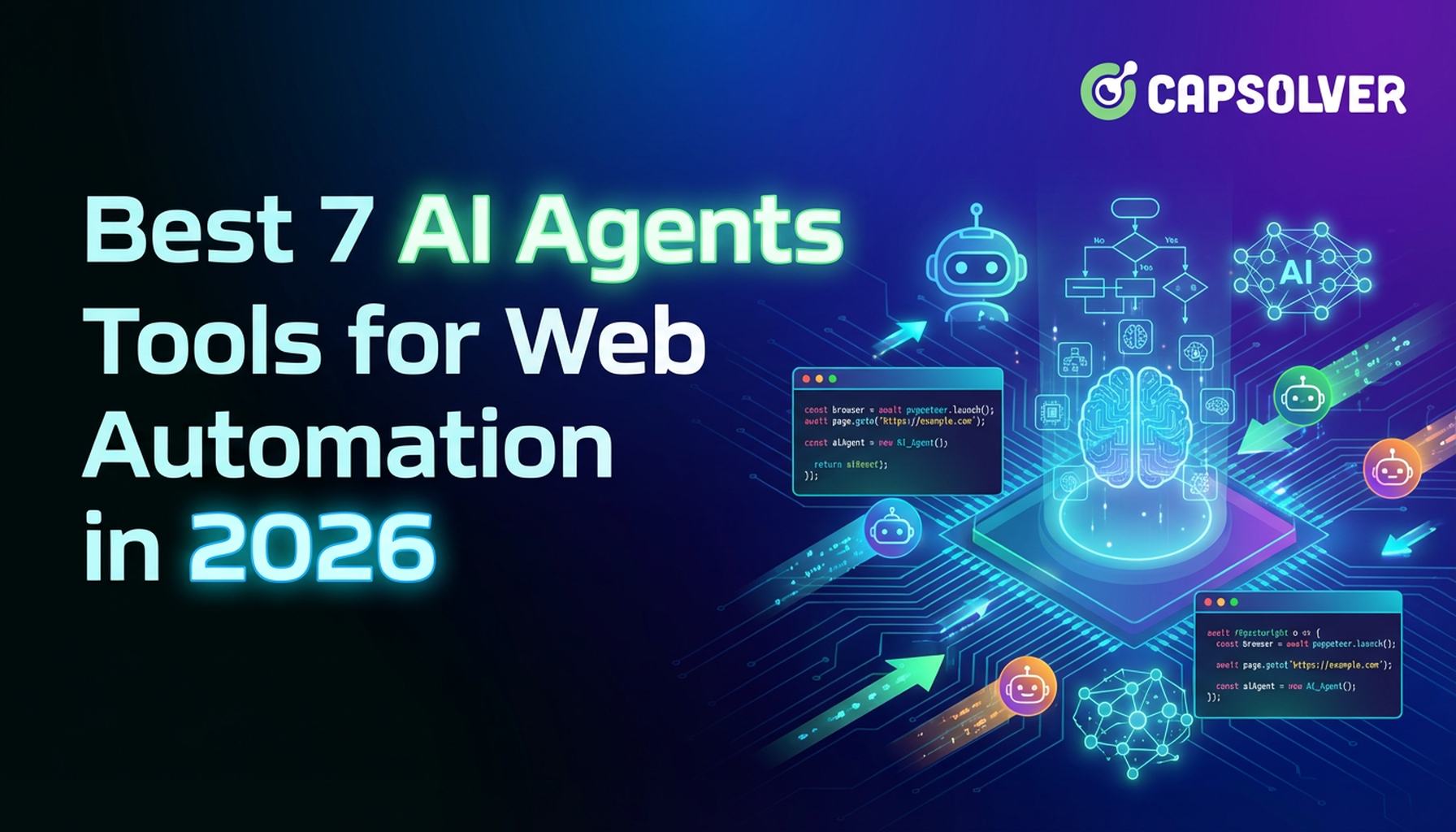
Artificial intelligence is transforming the way businesses operate, communicate, and grow. Organizations across industries are adopting intelligent solutions to automate repetitive tasks, improve customer experiences, and create scalable digital ecosystems. Fabian’s AI Automations, Agents & Webapps represent a modern approach to leveraging artificial intelligence for real-world business applications, helping companies optimize operations while reducing manual effort.
From workflow automation and AI-powered assistants to custom web applications that integrate advanced machine learning capabilities, intelligent systems are becoming essential tools for startups, agencies, entrepreneurs, and enterprise organizations alike. Businesses that embrace automation gain a significant competitive advantage by increasing efficiency, improving decision-making, and delivering faster results.
This comprehensive guide explores the value of AI automation, intelligent agents, and modern web applications while highlighting how businesses can leverage these technologies to create sustainable growth and operational excellence.
Understanding AI Automation
AI automation refers to the use of artificial intelligence technologies to perform tasks traditionally handled by humans. Unlike conventional automation systems that follow fixed rules, AI-driven solutions can learn, adapt, analyze data, and make intelligent decisions based on changing conditions.
Modern automation platforms can handle:
- Customer support inquiries
- Lead qualification
- Email management
- Appointment scheduling
- Data entry and processing
- Content generation
- Marketing campaign optimization
- Sales workflow automation
- Financial reporting
- Inventory management
By eliminating repetitive tasks, businesses can allocate resources toward strategic initiatives that drive growth and innovation.
The Growing Importance of Intelligent Agents
AI agents have emerged as one of the most impactful developments in artificial intelligence. These systems can operate independently, perform complex tasks, and interact with users in a natural and efficient manner.
Unlike basic chatbots, intelligent agents can:
Analyze Information
Modern agents can process large datasets, identify patterns, and generate actionable insights in real time.
Execute Tasks
AI-powered systems can complete actions such as scheduling meetings, updating databases, managing customer records, and handling support requests.
Learn and Improve
Advanced models continuously improve performance through machine learning and feedback mechanisms.
Communicate Naturally
Natural language processing allows agents to understand user intent and provide accurate, conversational responses.
Organizations increasingly rely on intelligent agents to enhance customer engagement while reducing operational costs.
How Web Applications Enhance AI Capabilities
Web applications serve as the foundation for many modern AI solutions. By combining user-friendly interfaces with powerful artificial intelligence models, businesses can create scalable digital products accessible from anywhere.
Key advantages include:
Accessibility
Users can access intelligent tools through any modern browser without installing additional software.
Scalability
Cloud-based infrastructure enables applications to handle increasing workloads efficiently.
Integration
Web applications can connect with CRM platforms, payment gateways, marketing tools, databases, and third-party APIs.
Real-Time Processing
Users receive immediate results, recommendations, and automated actions through intelligent workflows.
This combination of AI and web technology enables organizations to deliver seamless digital experiences.
Benefits of AI-Powered Business Systems
The adoption of intelligent automation offers numerous benefits across departments and business functions.
Increased Productivity
Employees spend less time on repetitive activities and more time on strategic, high-value work. Automation reduces bottlenecks and accelerates project completion.
Reduced Operational Costs
Automated systems lower labor requirements, minimize errors, and improve resource utilization, resulting in substantial cost savings.
Enhanced Customer Experience
AI-powered support systems provide instant responses, personalized recommendations, and 24/7 assistance, improving customer satisfaction.
Improved Decision-Making
Artificial intelligence analyzes data faster than traditional methods, helping leaders make informed business decisions.
Greater Accuracy
Automated workflows reduce human error and ensure consistent execution of critical processes.
Faster Business Growth
Scalable systems allow businesses to expand operations without proportional increases in staffing requirements.
Core Components of Modern AI Solutions
Successful AI ecosystems typically include several interconnected components.
Workflow Automation Engines
These systems automate repetitive tasks across departments, ensuring smooth operations and improved efficiency.
Examples include:
- Automated onboarding processes
- Invoice generation
- Lead nurturing sequences
- CRM updates
- Internal notifications
AI Agents
Intelligent agents act as digital workers capable of handling customer interactions, internal operations, and data management.
Applications include:
- Virtual assistants
- Customer support agents
- Sales assistants
- Research agents
- Knowledge management systems
Custom Web Applications
Businesses often require tailored solutions designed around unique operational requirements.
Custom web applications may include:
- Customer portals
- Membership platforms
- SaaS products
- Internal dashboards
- Business management systems
Data Analytics Platforms
Advanced analytics tools transform raw information into valuable business intelligence.
Organizations can monitor:
- Customer behavior
- Sales performance
- Marketing effectiveness
- Operational efficiency
- Revenue trends
Industries Benefiting from AI Automation
Artificial intelligence delivers measurable value across multiple industries.
E-Commerce
Online retailers use automation to manage inventory, personalize recommendations, and optimize customer support.
Benefits include:
- Higher conversion rates
- Improved customer retention
- Reduced cart abandonment
- Better inventory forecasting
Healthcare
Healthcare providers leverage intelligent systems for appointment scheduling, patient communication, and administrative support.
Advantages include:
- Faster patient service
- Reduced administrative burden
- Improved data accuracy
Real Estate
Real estate professionals utilize AI agents to qualify leads, schedule property viewings, and automate follow-up communication.
Outcomes include:
- Increased lead conversion
- Better client engagement
- More efficient operations
Financial Services
Financial organizations employ intelligent technologies for fraud detection, customer support, and risk assessment.
Key benefits include:
- Improved compliance
- Enhanced security
- Faster processing
Education
Educational institutions use AI-powered platforms to deliver personalized learning experiences and automate administrative processes.
Results include:
- Improved student engagement
- Better learning outcomes
- Streamlined operations
Essential Features of High-Performance AI Systems
When evaluating intelligent automation solutions, organizations should prioritize key capabilities.
Natural Language Processing
The ability to understand and respond to human language creates more intuitive user experiences.
Machine Learning
Learning mechanisms enable systems to improve performance over time.
API Integrations
Seamless integration with existing business tools ensures maximum efficiency.
Security and Compliance
Data protection remains critical for businesses handling sensitive information.
Customization
Flexible platforms allow organizations to adapt solutions to unique requirements.
Scalability
Systems should support future growth without requiring extensive redevelopment.
Future Trends in AI Automations, Agents & Webapps
The future of artificial intelligence continues to evolve rapidly.
Several emerging trends are shaping the next generation of intelligent systems.
Autonomous AI Agents
Future agents will perform increasingly complex workflows with minimal human intervention.
Multi-Agent Collaboration
Multiple AI systems will work together to solve sophisticated business challenges.
Advanced Personalization
Intelligent systems will deliver highly customized experiences based on user behavior and preferences.
Predictive Decision-Making
Organizations will rely on AI to forecast outcomes and recommend optimal actions.
Voice-Driven Interfaces
Voice-based interactions will become more common across business applications and customer-facing platforms.
Hyper-Automation
Businesses will automate entire operational ecosystems rather than isolated processes.
Best Practices for Successful Implementation
Organizations seeking to maximize results should follow proven implementation strategies.
Define Clear Objectives
Identify measurable goals before deploying intelligent systems.
Start with High-Impact Processes
Focus on repetitive workflows that consume significant resources.
Ensure Data Quality
Accurate data improves system performance and decision-making capabilities.
Monitor Performance
Track key metrics to evaluate effectiveness and identify opportunities for optimization.
Continuously Improve
Artificial intelligence performs best when organizations regularly refine workflows and processes.
Why Businesses Are Investing in AI Today
The increasing demand for efficiency, scalability, and innovation is driving widespread adoption of intelligent technologies. Companies that invest in automation and advanced digital solutions gain advantages in productivity, customer satisfaction, and long-term profitability.
As competition intensifies across industries, organizations need systems capable of operating around the clock, processing information instantly, and delivering exceptional user experiences. Intelligent automation, advanced agents, and powerful web applications provide the foundation for achieving these objectives.
Businesses that embrace these technologies today position themselves for sustainable success in an increasingly digital world.
Final Thoughts
Fabian’s AI Automations, Agents & Webapps showcase the growing potential of artificial intelligence in modern business environments. By combining automation, intelligent agents, and scalable web technologies, organizations can streamline operations, improve customer engagement, and unlock new opportunities for growth.
Whether the goal is reducing operational costs, enhancing productivity, improving customer experiences, or building innovative digital products, AI-powered solutions continue to redefine what businesses can achieve. As technology evolves, organizations that strategically implement intelligent systems will be better equipped to compete, innovate, and thrive in the future digital economy.
Recommended: Explore advanced AI automation and business scaling courses to further enhance workflow efficiency and digital transformation strategies.
Recommended: Businesses building AI-powered web applications should also consider learning modern SaaS growth frameworks and AI agent deployment methodologies.
Recommended: For entrepreneurs seeking rapid growth, combining AI automation expertise with e-commerce and digital marketing education can create significant competitive advantages.


Reviews
There are no reviews yet.