

Description
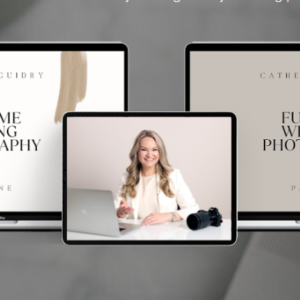
Lauren Fair – Atelier & How to Shoot Film Bundle
Film photography has experienced a remarkable resurgence among photographers seeking authenticity, timeless aesthetics, and a deeper connection with their craft. While digital photography offers convenience and speed, film photography encourages intentional shooting, careful composition, and a unique artistic process that many creators find inspiring.
The Lauren Fair – Atelier & How to Shoot Film Bundle is designed for photographers who want to understand the complete film photography workflow, from camera selection and shooting techniques to developing a refined artistic vision. This educational package combines technical instruction with creative guidance, helping photographers create images that feel genuine, emotional, and visually compelling.
Whether you are a wedding photographer, portrait artist, lifestyle creator, or photography enthusiast, this training provides valuable insights into mastering film photography while developing a recognizable personal style.
What Is Included in This Photography Training?
This comprehensive bundle focuses on both the technical and artistic aspects of shooting film. Instead of simply teaching camera settings, it explores the creative decision-making process behind producing meaningful and impactful imagery.
The course covers:
- Film camera fundamentals
- Film stock selection
- Exposure techniques
- Metering and lighting
- Composition strategies
- Portrait photography
- Wedding photography workflows
- Developing artistic consistency
- Storytelling through imagery
- Film scanning and workflow management
- Business and client considerations
The training aims to provide a complete roadmap for photographers who want to incorporate film into their professional or personal work.
Why Film Photography Still Matters
Many photographers are surprised by the emotional depth and visual quality that film can produce. Unlike digital cameras that allow unlimited shots, film encourages photographers to slow down and make every frame count.
Some of the key benefits include:
Greater Intentionality
Film forces photographers to think carefully before pressing the shutter. This often leads to stronger compositions and more thoughtful storytelling.
Timeless Aesthetic
Film possesses a natural character that many photographers struggle to replicate digitally. The grain structure, color rendition, and tonal transitions contribute to a classic look that remains highly sought after.
Enhanced Creative Discipline
Learning film photography helps photographers better understand exposure, light, and composition because there is less room for immediate correction.
Emotional Connection
Many artists appreciate the tactile experience of loading film, advancing frames, and waiting to see the final results.
Understanding Film Cameras
One of the first topics explored is camera selection and operation.
Photographers often feel overwhelmed by the variety of film cameras available. The training simplifies this process by explaining the strengths and limitations of different camera systems.
Topics include:
35mm Cameras
35mm film remains one of the most accessible formats for beginners.
Benefits include:
- Affordable film stocks
- Wide camera availability
- Easy portability
- Suitable for travel and everyday photography
Medium Format Cameras
Medium format systems produce larger negatives and exceptional image quality.
Advantages include:
- Increased detail
- Better tonal range
- Enhanced depth and dimension
- Premium portrait and wedding results
Camera Maintenance
Understanding how to care for equipment is essential for long-term reliability.
Key considerations include:
- Light seal inspection
- Lens maintenance
- Battery replacement
- Storage practices
- Meter accuracy
Mastering Exposure on Film
Exposure is one of the most critical elements of successful film photography.
Because film reacts differently than digital sensors, photographers must learn specific techniques to achieve optimal results.
The Exposure Triangle
The training explains how the following variables work together:
- Aperture
- Shutter speed
- Film ISO
A solid understanding of these fundamentals allows photographers to adapt to changing lighting conditions while maintaining image quality.
Metering Techniques
Accurate metering is crucial when shooting film.
Students learn:
- Incident metering
- Reflective metering
- Spot metering
- Evaluating challenging lighting scenarios
Overexposure and Underexposure
Different film stocks respond uniquely to exposure adjustments.
The course demonstrates:
- When slight overexposure can improve results
- How shadows behave on film
- Protecting highlights
- Achieving consistent exposure
Choosing the Right Film Stock
Film selection dramatically impacts the final appearance of photographs.
The training explores the characteristics of various film types and helps photographers choose the right option for their creative goals.
Color Negative Film
Popular for:
- Weddings
- Portraits
- Lifestyle photography
- Outdoor sessions
Benefits include:
- Wide dynamic range
- Flexible exposure latitude
- Natural color rendering
Black and White Film
Ideal for:
- Fine art projects
- Documentary work
- Emotional storytelling
Advantages include:
- Strong contrast control
- Timeless aesthetic
- Focus on light and form
Specialty Film Stocks
Photographers also learn how different films create unique visual effects through variations in color, contrast, and grain structure.
Developing an Artistic Eye
Technical skills alone do not create memorable photographs.
A significant portion of the training focuses on artistic development and visual storytelling.
Composition Principles
Students learn how to build stronger images using:
- Leading lines
- Negative space
- Framing
- Symmetry
- Layering
- Perspective
These techniques help create photographs that immediately capture attention.
Storytelling Through Images
Strong photography tells a story without requiring explanation.
Key lessons include:
- Identifying emotional moments
- Creating visual narratives
- Capturing authentic interactions
- Building cohesive galleries
Finding Inspiration
Photographers are encouraged to study:
- Fine art
- Fashion photography
- Cinema
- Literature
- Architecture
Drawing inspiration from multiple disciplines helps create a unique artistic voice.
Film Photography for Weddings
Wedding photography represents one of the most popular uses of film today.
The bundle provides valuable insight into integrating film seamlessly into wedding coverage.
Preparing for a Wedding Day
Successful wedding photography begins with preparation.
Topics include:
- Equipment selection
- Film quantity planning
- Backup systems
- Timeline coordination
Capturing Authentic Moments
Film excels at documenting genuine emotions and meaningful interactions.
Students learn how to:
- Anticipate key moments
- Work efficiently under pressure
- Create natural portraits
- Maintain consistency throughout the event
Balancing Digital and Film Coverage
Many professionals use both digital and film cameras.
The training explains how to:
- Transition smoothly between formats
- Deliver cohesive galleries
- Maximize efficiency during events
Portrait Photography Techniques
Portrait photography benefits greatly from the organic qualities of film.
Lessons focus on:
Natural Light
Students learn how to:
- Position subjects effectively
- Use window light
- Work during golden hour
- Create flattering shadows
Directing Subjects
Strong portraits require communication and confidence.
The course explores:
- Building rapport
- Encouraging natural expressions
- Creating movement
- Capturing genuine emotion
Styling Considerations
Wardrobe, location, and color coordination play important roles in creating visually harmonious portraits.
Film Scanning and Workflow
Creating beautiful negatives is only part of the process.
Photographers must also understand how to digitize and manage their images effectively.
Topics include:
Scanning Methods
Different scanning options offer varying levels of quality and flexibility.
Students learn about:
- Professional lab scans
- Flatbed scanning
- Dedicated film scanners
File Organization
Maintaining an organized workflow improves efficiency and professionalism.
Areas covered include:
- Folder structures
- Backup strategies
- Archiving systems
- Client delivery workflows
Color Management
Proper color handling ensures consistent results across devices and print mediums.
Building a Consistent Photography Style
Many photographers struggle with creating work that feels cohesive.
The training addresses this challenge by focusing on:
Visual Consistency
Students learn how to:
- Refine their artistic vision
- Maintain a recognizable aesthetic
- Create stronger portfolios
Personal Branding
A distinctive style can help photographers stand out in a competitive market.
Topics include:
- Portfolio curation
- Client attraction
- Brand positioning
- Creative direction
Who Should Take This Course?
This training is ideal for:
Beginner Photographers
Those who want a structured introduction to film photography.
Wedding Photographers
Professionals looking to add film coverage to their services.
Portrait Artists
Photographers seeking more emotional and timeless imagery.
Fine Art Creators
Artists interested in developing a deeper creative process.
Experienced Digital Photographers
Professionals wanting to expand their technical and artistic capabilities.
Skills You Can Expect to Learn
By completing the training, photographers can gain knowledge in:
- Film camera operation
- Exposure control
- Film stock selection
- Metering techniques
- Composition fundamentals
- Portrait photography
- Wedding photography workflows
- Storytelling strategies
- Scanning workflows
- Portfolio development
- Creative direction
- Brand building
These skills contribute to a stronger foundation for both personal and professional photography projects.
Final Thoughts
The Lauren Fair – Atelier & How to Shoot Film Bundle offers an in-depth exploration of modern film photography while emphasizing artistic growth and creative storytelling. Rather than focusing solely on technical settings, the training encourages photographers to develop intentional shooting habits, stronger visual narratives, and a distinctive personal style.
For photographers who want to understand the complete film photography process—from choosing the right camera and film stock to creating emotionally compelling images—this educational bundle provides valuable insights that can elevate both creative confidence and professional results.
If your goal is to create timeless photographs with authenticity, depth, and artistic purpose, this photography training serves as a comprehensive resource for mastering the craft of film photography.



Reviews
There are no reviews yet.