
Description
Future London Academy – Mini-MBA for Designers & Creatives
Introduction
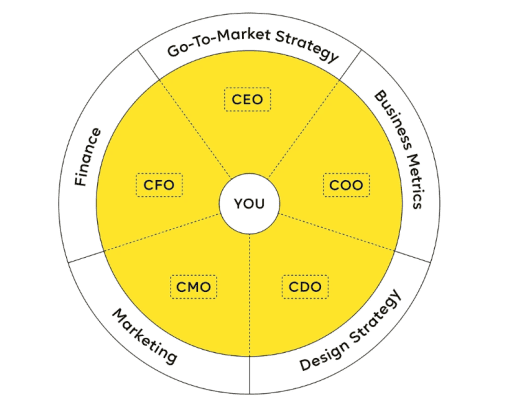
The modern creative industry demands far more than exceptional design skills. Designers, creative directors, product professionals, UX specialists, and innovation leaders are increasingly expected to understand business strategy, leadership, finance, customer psychology, organizational growth, and market positioning. As companies continue to integrate design into their core business functions, professionals who can bridge creativity and business become significantly more valuable.
Future London Academy – Mini-MBA for Designers & Creatives is designed to help creative professionals develop a strong understanding of business principles while maintaining their creative mindset. The program aims to equip participants with practical leadership capabilities, strategic thinking frameworks, and decision-making skills that are essential for navigating today’s competitive business environment.
Unlike traditional MBA programs that often focus heavily on corporate finance and management theory, this specialized learning experience focuses on the intersection of creativity, innovation, leadership, and business growth. It enables professionals to understand how successful organizations operate while providing actionable insights that can be applied directly within creative industries.
Why Business Knowledge Matters for Creative Professionals
Many talented designers reach a point in their careers where technical expertise alone is no longer enough to advance professionally. As responsibilities increase, professionals are often required to:
- Present ideas to executives.
- Justify design decisions using business metrics.
- Manage cross-functional teams.
- Influence stakeholders.
- Lead innovation initiatives.
- Understand financial implications of design choices.
- Drive organizational transformation.
Without a solid understanding of business fundamentals, even highly skilled creatives may struggle to communicate the value of their work effectively.
Developing business acumen allows professionals to move beyond execution and become strategic contributors within their organizations. It enables them to align creative efforts with company goals, resulting in stronger influence and greater career opportunities.
Program Objectives
The primary objective of this learning experience is to help participants think like business leaders while continuing to excel in creative disciplines.
Key objectives include:
Strategic Thinking
Participants learn how organizations make strategic decisions and how creative teams contribute to long-term business success.
Leadership Development
The program emphasizes leadership skills that help professionals manage teams, inspire innovation, and drive positive organizational change.
Business Communication
Effective communication is critical when working with executives, clients, and stakeholders. Participants gain techniques for presenting ideas with confidence and clarity.
Innovation Management
Innovation remains one of the most valuable competitive advantages in modern business. The course explores how organizations create environments that foster continuous innovation.
Organizational Understanding
Participants gain insight into how different departments collaborate and how design can influence broader business outcomes.
Core Learning Areas
Business Strategy
One of the most important areas covered involves understanding strategic decision-making.
Participants explore:
- Market positioning.
- Competitive analysis.
- Customer value creation.
- Growth strategies.
- Business model innovation.
- Long-term planning frameworks.
These concepts help creative professionals understand how their work impacts organizational objectives and revenue generation.
Leadership and Team Management
Leadership extends beyond managing people. Effective leaders create environments where teams can thrive and produce their best work.
Important topics often include:
- Building high-performing teams.
- Motivating creative talent.
- Conflict resolution.
- Stakeholder management.
- Decision-making processes.
- Organizational culture development.
These skills become increasingly important as professionals transition into senior leadership positions.
Innovation and Creativity
Innovation is essential for businesses seeking sustainable growth.
Participants explore how leading organizations:
- Develop innovative cultures.
- Encourage experimentation.
- Balance risk and opportunity.
- Implement creative problem-solving methodologies.
- Transform ideas into successful products and services.
Understanding innovation frameworks helps professionals become catalysts for meaningful change within their organizations.
Design and Business Alignment
Many organizations struggle to align creative initiatives with business objectives.
This learning area focuses on:
- Connecting design decisions to business outcomes.
- Measuring creative impact.
- Customer-centered innovation.
- Product development strategies.
- Experience design principles.
- Value creation frameworks.
Participants learn how to demonstrate the tangible business value of creative work.
Financial Fundamentals
Finance can be intimidating for creative professionals, yet understanding financial concepts is crucial for leadership roles.
Common topics may include:
- Revenue models.
- Profitability.
- Budget management.
- Investment decisions.
- Business performance indicators.
- Financial planning basics.
These concepts help participants make informed decisions and communicate more effectively with executive stakeholders.
Benefits for Designers
Designers often spend years mastering tools, methodologies, and creative processes. However, business knowledge provides an additional layer of professional capability.
Benefits include:
Greater Strategic Influence
Professionals gain the ability to contribute to high-level discussions and strategic planning initiatives.
Improved Decision-Making
Business frameworks help participants evaluate opportunities more effectively and make informed decisions.
Enhanced Career Growth
Leadership and business skills often accelerate advancement into management and executive positions.
Better Stakeholder Relationships
Understanding business priorities improves collaboration with executives, marketers, engineers, and product managers.
Increased Confidence
Participants become more comfortable discussing financial, strategic, and organizational topics.
Benefits for Creative Leaders
Creative directors and senior professionals frequently face challenges that extend beyond design execution.
The program helps leaders:
- Manage complex teams.
- Align creative work with business goals.
- Drive innovation initiatives.
- Improve organizational influence.
- Navigate change effectively.
- Build stronger leadership capabilities.
These skills are increasingly important in rapidly evolving industries where adaptability and strategic thinking are essential.
Real-World Application
One of the most valuable aspects of executive education for creative professionals is its practical relevance.
Participants can immediately apply lessons to:
Product Development
Understanding customer needs and business objectives improves product strategy and execution.
Brand Growth
Strategic thinking helps organizations build stronger brands and achieve sustainable growth.
Team Leadership
Leadership frameworks assist managers in creating productive and collaborative work environments.
Business Innovation
Innovation methodologies enable professionals to identify opportunities and implement meaningful improvements.
Organizational Transformation
Creative leaders often play key roles in helping organizations adapt to changing market conditions.
Who Should Consider This Program?
This educational experience is particularly valuable for:
- UX Designers
- Product Designers
- Service Designers
- Creative Directors
- Design Managers
- Brand Strategists
- Product Managers
- Innovation Leaders
- Entrepreneurs
- Marketing Professionals
- Creative Consultants
- Design Team Leads
It is especially beneficial for professionals seeking leadership positions or wanting to strengthen their business understanding.
Key Skills Developed
Participants typically strengthen a wide range of professional capabilities, including:
Strategic Leadership
The ability to guide teams while aligning creative efforts with organizational objectives.
Business Thinking
A deeper understanding of how businesses operate and generate value.
Communication Skills
Improved ability to communicate ideas to diverse audiences.
Innovation Management
Knowledge of frameworks that support experimentation and organizational growth.
Team Development
Skills for building, managing, and motivating successful teams.
Decision-Making
Structured approaches to evaluating opportunities and solving complex challenges.
Career Impact
The combination of creativity and business expertise can significantly enhance career prospects.
Professionals who understand both disciplines often become:
- Design Leaders
- Creative Directors
- Innovation Managers
- Product Strategists
- Business Consultants
- Experience Leaders
- Executive Design Managers
- Entrepreneurship Leaders
Organizations increasingly seek individuals capable of connecting creative vision with measurable business outcomes.
Why This Type of Education Is Growing in Popularity
The business landscape continues to evolve rapidly due to technological advancements, changing consumer expectations, and increasing competition.
As a result:
- Design has become a strategic business function.
- Organizations rely more heavily on innovation.
- Cross-functional collaboration is essential.
- Leadership skills are increasingly valuable.
- Business literacy is becoming a core requirement for senior creative roles.
Programs that combine creative expertise with business education help professionals remain competitive and future-ready.
Final Thoughts
Future London Academy – Mini-MBA for Designers & Creatives represents an opportunity for creative professionals to expand beyond traditional design disciplines and develop a broader understanding of business, leadership, and innovation.
By combining strategic thinking, leadership development, financial literacy, and innovation management, participants gain valuable skills that can be applied across a wide range of industries and roles. The knowledge acquired helps professionals communicate more effectively with stakeholders, contribute to strategic initiatives, and create stronger business impact through design.
For designers, creative leaders, product professionals, and innovation specialists seeking long-term career growth, this type of executive education can serve as a powerful catalyst for professional advancement. The blend of creativity and business expertise creates a unique competitive advantage that is increasingly valuable in today’s global marketplace.
Recommended Learning Resources: If you’re interested in expanding your skills further, consider exploring advanced AI, automation, and digital business programs that complement creative leadership and strategic thinking. These additional learning paths can help professionals stay ahead of emerging industry trends and unlock new career opportunities.




Reviews
There are no reviews yet.